

Understanding Nauru Citizenship: A Comprehensive Guide
Nauru, a small island nation in the Pacific Ocean, boasts a unique approach to citizenship that reflects its cultural heritage and historical context. As potential citizens and researchers seek to comprehend its nuances, this article will explore the various aspects of Nauru citizenship, including application processes, types of citizenship, rights and responsibilities, and the implications of becoming a citizen of this remarkable country. For a more in-depth overview, please visit Nauru Citizenship www.naurucitizenship.net/.
1. Historical Context of Nauru Citizenship
Nauru gained independence from Australia in 1968 and established its own citizenship laws. The Constitution of Nauru is pivotal in defining who can be considered a citizen. Initially, citizenship was granted based on descent and birth within the territory. However, due to various socio-political changes over the decades, these laws have evolved.
2. Types of Citizenship in Nauru
Nauru recognizes several types of citizenship:
- Citizenship by Birth: Anyone born to Nauruan parents, regardless of the place of birth, is eligible for citizenship.
- Citizenship by Descent: Individuals born outside Nauru to Nauruan parents can also apply for citizenship.
- Naturalization: Foreign nationals may apply for Nauruan citizenship after fulfilling specific residency requirements, including residing in Nauru for at least five years.
3. Application Process for Nauru Citizenship
The process to apply for citizenship in Nauru can be intricate:
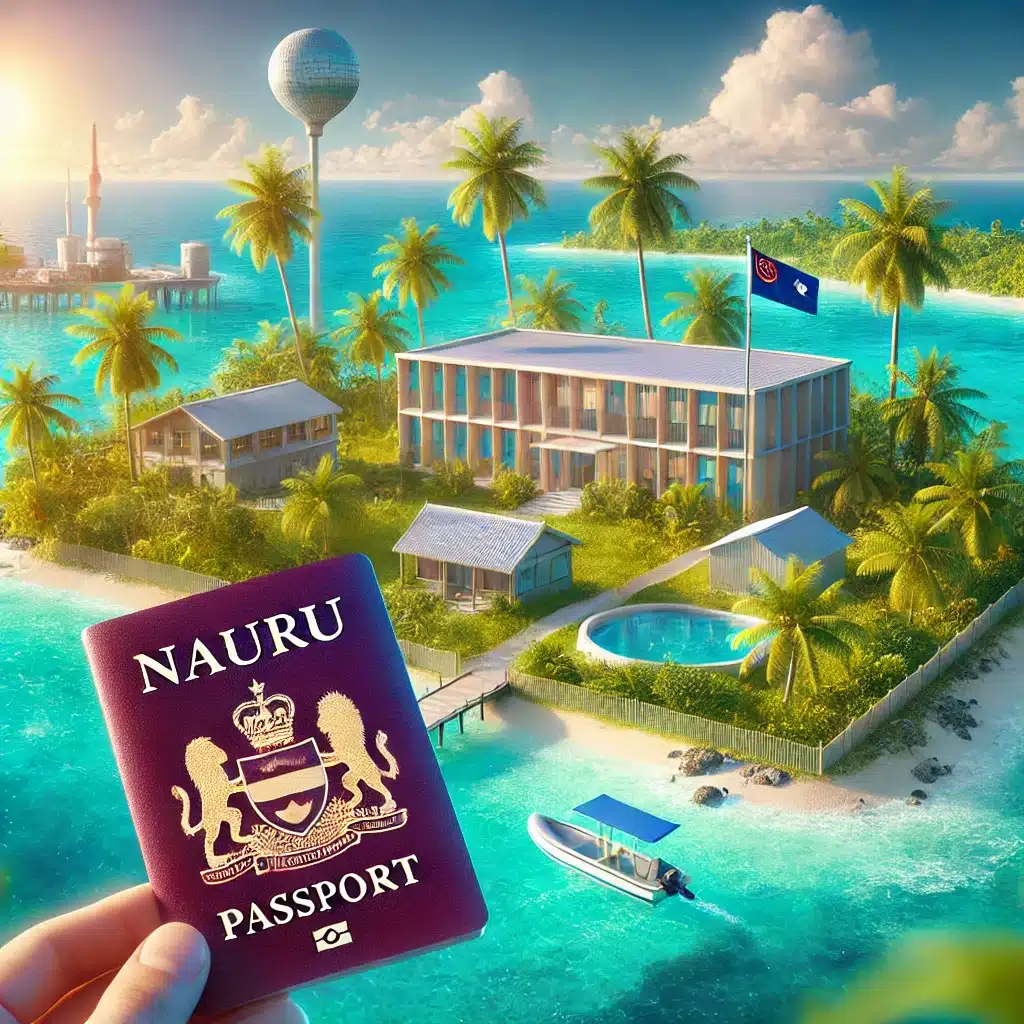
- Gathering Documents: Applicants must compile necessary documentation, including proof of ancestry, residency, and any legal documents required by Nauruan law.
- Submission: Applications must be submitted to the Nauruan government, potentially accompanied by an application fee.
- Interviews: Applicants might need to undergo interviews or further evaluations, especially for naturalization cases.
- Approval: Successful applications will lead to applicants being granted citizenship through an official announcement by the government.
4. Rights and Responsibilities of Nauruan Citizens
Becoming a citizen of Nauru comes with both privileges and obligations:
- Rights: Citizens have the right to vote, run for public office, and enjoy various social services and protections under the law.
- Responsibilities: Citizens must adhere to the laws of Nauru, and they are obligated to participate in national duties, including military service if applicable.
5. The Role of Citizenship in Nauru’s Society
Citizenship in Nauru is not merely a legal status; it holds deep cultural significance. The Nauruan identity is closely linked to land, language, and co

mmunity. As such, citizenship is often viewed as a bond not only to the nation but also to the cultural heritage that shapes the island’s values and social structure.
6. Challenges Facing Nauru and Its Citizenship Policies
Despite its unique attributes, Nauru faces numerous challenges that impact its citizenship policies:
- Climate Change: The existential threat of rising sea levels has forced discussions around environmental refugees and what this means for citizenship in the years to come.
- Econics: Economic challenges can prompt shifts in policies meant to attract foreign investment, possibly influencing citizenship regulations.
Conclusion
Understanding Nauru citizenship requires comprehending its rich history, cultural identity, and legal framework. As Nauru navigates its future through various challenges, the citizenship policies continue to evolve, remaining a pivotal aspect of national identity and individual rights. Whether you are considering applying for citizenship or seeking to gain a deeper understanding of the process, staying informed through reliable resources such as www.naurucitizenship.net/ can be invaluable.