
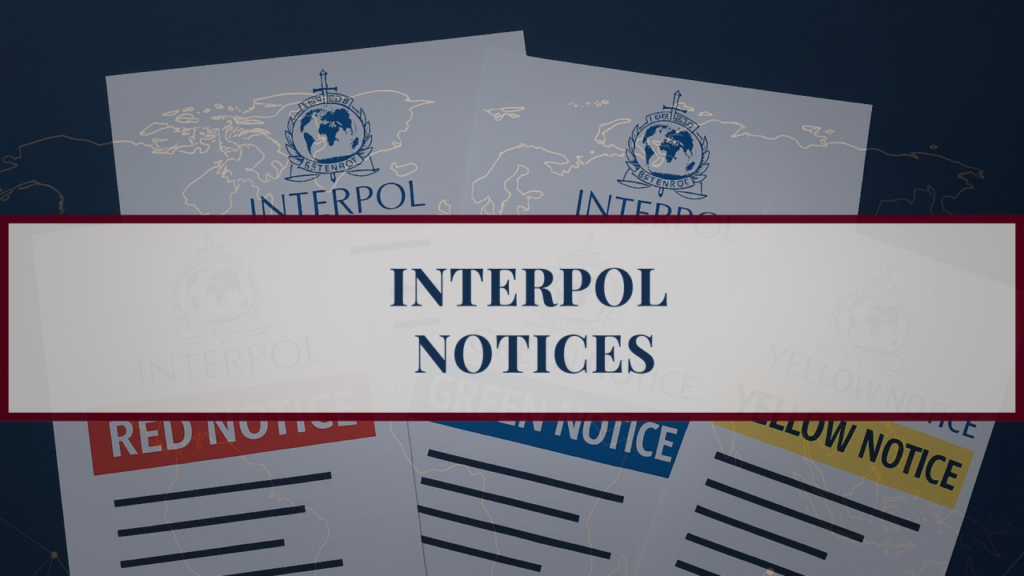
The quest for missing persons is a tragic reality for many families and communities around the world. One of the tools that can assist in these situations is the information on Interpol yellow notices. This article explores the specifics of Interpol Yellow Notices, their purpose, the process of issuance, and their impact on international law enforcement efforts in locating missing individuals.
What is an Interpol Yellow Notice?
Interpol Yellow Notices are international alerts issued to seek assistance in locating missing persons, often minors, or to help identify persons who are unable to identify themselves. These notices are crucial in cross-border cooperation among law enforcement agencies and play an essential role in enhancing the safety of individuals who may be at risk.
Purpose of Yellow Notices
The primary purpose of a Yellow Notice is to help locate missing persons, whether they are victims of trafficking, abduction, or simply lost. These notices can provide vital information such as descriptions of the individuals, possible locations, and other critical details that can aid in their recovery. Additionally, Yellow Notices help raise awareness about cases of missing individuals, prompting the public to be more vigilant.
How Interpol Yellow Notices Work
The process of issuing a Yellow Notice is initiated by a member country of Interpol. The country must submit a request to Interpol’s General Secretariat along with relevant data about the missing person or unidentified individual. Once the information is verified, Interpol coordinates the dissemination of the notice to its 195 member countries.
Security agencies, law enforcement officials, and sometimes, even the public are alerted about the notice, which can include photographs, physical descriptions, and last known locations. This global reach allows for the pooling of resources and information, enhancing the chances of locating the missing person.
Criteria for Issuing a Yellow Notice
Not every case of a missing person results in the issuance of a Yellow Notice. There are specific criteria that must be met:

- The individual should be reported missing due to circumstances that put them at risk, such as potential abduction or trafficking.
- There should be enough information available that can assist in locating the person.
- The request should come from a national law enforcement agency of an Interpol member country.
The Role of Law Enforcement Agencies
Once a Yellow Notice is issued, it becomes the responsibility of law enforcement agencies in member countries to act upon the information provided. This often involves checking databases, coordinating with local authorities, and engaging the community to gather more information. In many cases, the notice may lead to the successful recovery of missing persons, demonstrating the value of international collaboration.
Impact of Yellow Notices
The impact of Yellow Notices extends beyond just locating missing individuals. They raise public awareness and involve communities in the search process. The dissemination of information through Yellow Notices encourages proactive measures from the public, allowing individuals to report sightings or relevant information, which can be crucial in resolving cases of missing persons.
Furthermore, Yellow Notices contribute to international law and policy discussions surrounding human trafficking, child abduction, and related issues. By bringing attention to these cases, they also foster conversation about prevention strategies and protective measures for vulnerable individuals.
Privacy and Ethical Concerns
While the use of Yellow Notices is invaluable, it also raises important ethical and privacy issues. The dissemination of a person’s information to an international audience can have implications for privacy rights and requires careful consideration. Interpol has established guidelines to ensure that Yellow Notices are used judiciously and ethically, balancing the need for public safety with respect for individual rights.
Conclusion
Interpol Yellow Notices are a crucial tool in the fight against missing persons and trafficking. They facilitate international cooperation, provide vital information, and help to mobilize resources effectively. As our world becomes increasingly interconnected, the importance of such mechanisms cannot be overstated. Ongoing education about Yellow Notices and their processes will further empower law enforcement agencies and communities in their efforts to ensure the safety of individuals, especially vulnerable populations.
Additional Resources
For more information on Interpol Yellow Notices and how they function, interested individuals can visit the official Interpol website or relevant law enforcement agencies’ web platforms. Staying informed is an essential element in aiding the search for missing persons and enhancing public safety.